Property owners needing pest control service in Severn receive direct diagnostic evaluations and targeted extermination protocols that isolate structural vulnerabilities. Technicians deploy calibrated perimeter barriers, targeted baiting systems, and physical exclusion methods across Anne Arundel County homes to resolve active infestations without requiring mandatory recurring service contracts.
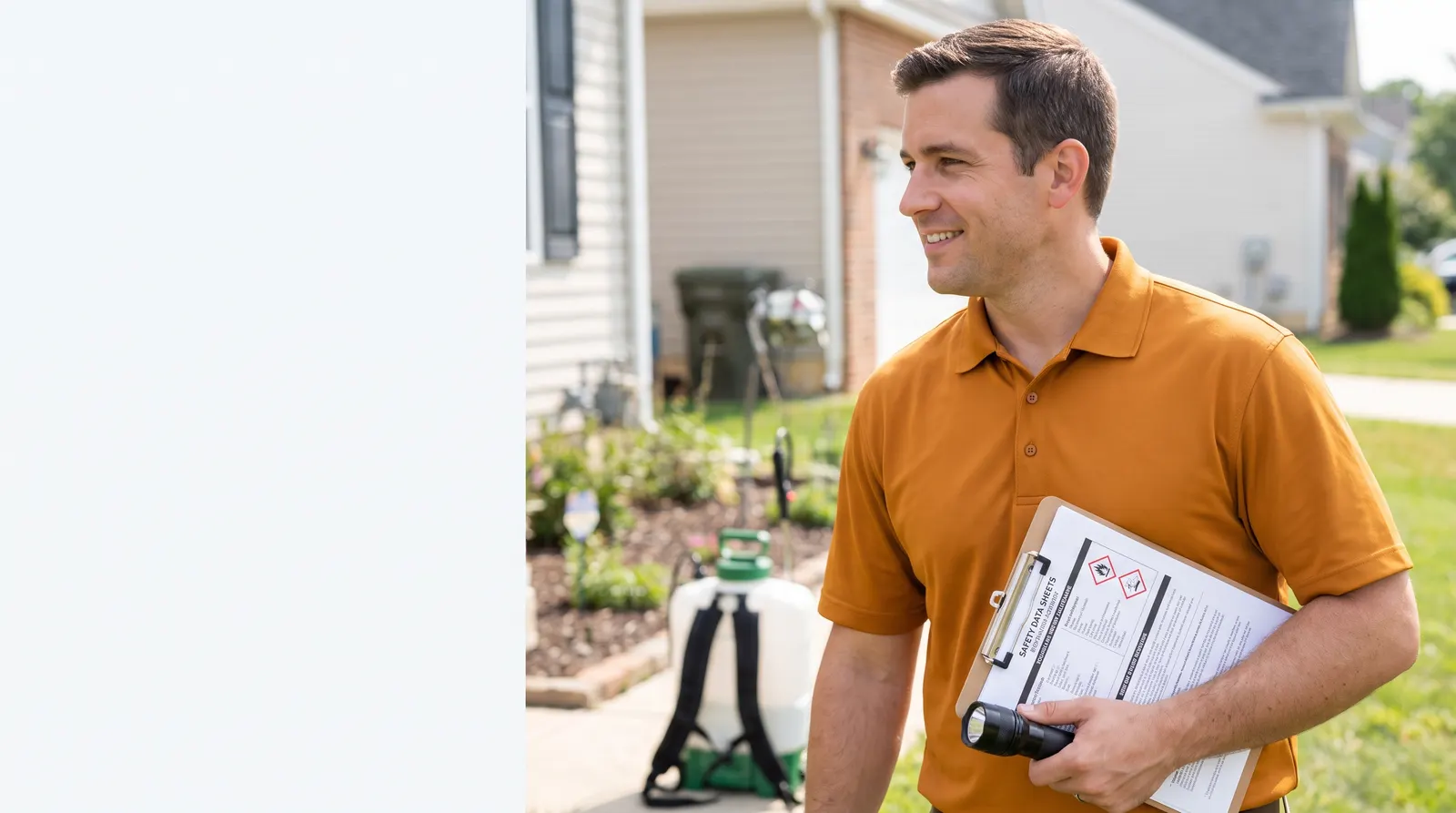
Pest control service in Severn is a targeted environmental and structural management process that eliminates active insect and rodent colonies while securing residential entry points against future seasonal incursions.
Every service reflects the same meticulous attention to detail — whether it's a single job or a larger pest control service project across Severn.
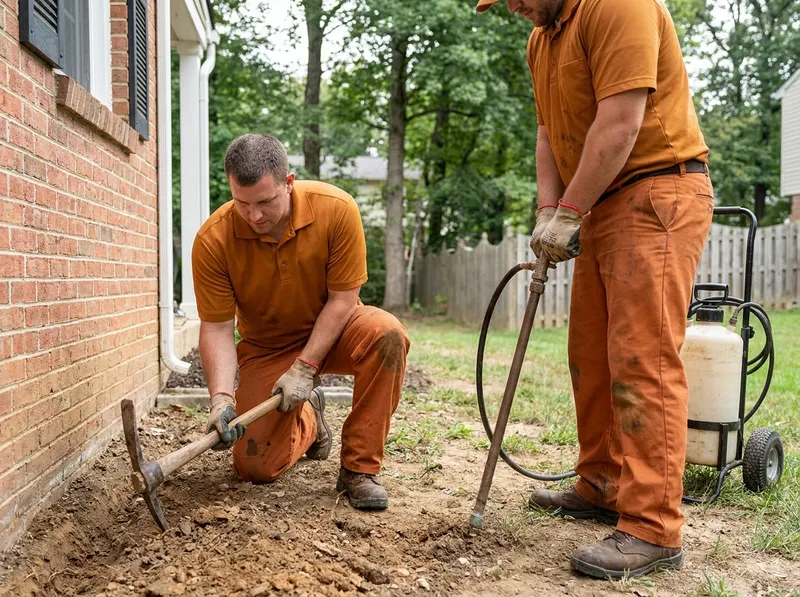
Eastern subterranean termites cause severe structural damage to load-bearing floor joists, sill plates, and subflooring across Anne Arundel County properties. Technicians perform comprehensive foundation inspections to detect active mud tubes, subterranean shelter tubes, and hollowed structural timber. Treatment utilizes non-repellent liquid termiticides applied via perimeter soil trenching, continuous rodding, and sub-slab foundation injection along vulnerable masonry transitions. Foraging worker termites unknowingly contact and ingest the active ingredient, carrying it back to the underground nest where it transfers throughout the entire reproductive caste and collapses the subterranean colony. Technicians also install tamper-resistant external monitoring stations in high-risk perimeter zones to detect renewed subterranean pressure before insects can breach foundation masonry.
View details →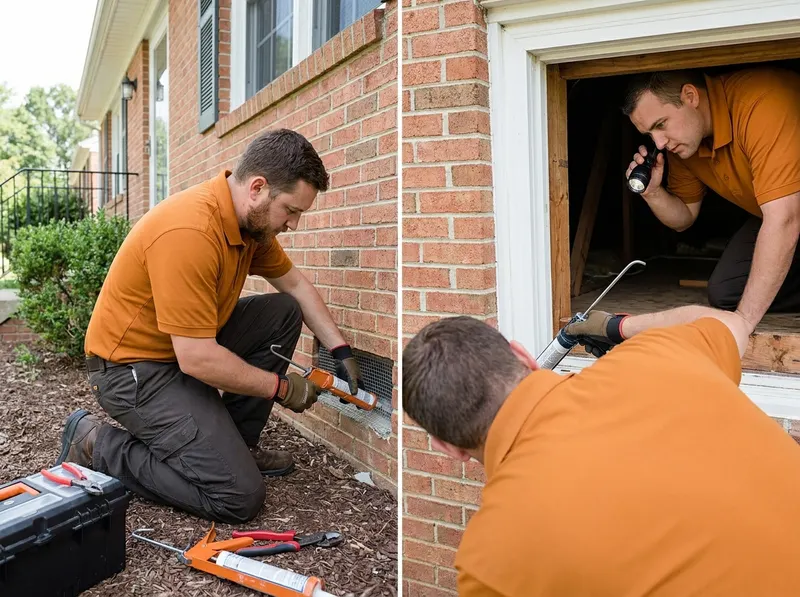
House mice and Norway rats exploit structural gaps as narrow as one-quarter inch to penetrate exterior siding, utility chases, crawl spaces, and attic insulation during cold weather transitions. Treatment begins with an exhaustive thermal and physical inspection of the building envelope to locate structural entryways, rub marks, nesting material, and droppings. Technicians execute intensive interior snap-trapping programs inside locked stations within utility areas, crawl spaces, and drop ceilings to quickly capture active interior populations. Simultaneously, technicians perform mechanical exclusion repairs by packing foundation voids, pipe penetrations, weep holes, and roofline gaps with corrosion-resistant galvanized steel mesh, copper mesh, and high-density polyurethane sealant, physically locking rodents out of interior living spaces.
View details →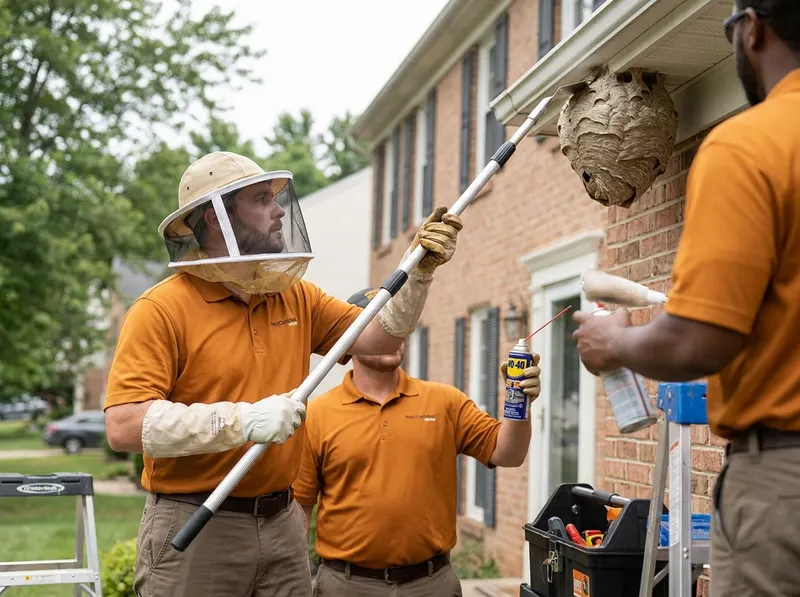
Paper wasps, bald-faced hornets, and yellow jackets construct dangerous aerial, structural, and subterranean nests in eaves, soffits, window headers, crawl spaces, and residential landscape beds. Technicians perform targeted nest eradications utilizing specialized protective gear, high-pressure precision injection wands, and fast-acting residual dusts applied directly into nest entrances. This process neutralizes active adult defenders and emerging broods safely at the source, preventing aggressive stinging swarms near entrances and outdoor living zones. Once all insect movement ceases, technicians physically detach and extract the nest structure, scrape away adhesive residue, and apply a residual micro-barrier to the structural anchor point to prevent queen wasps from rebuilding on that surface.
View details →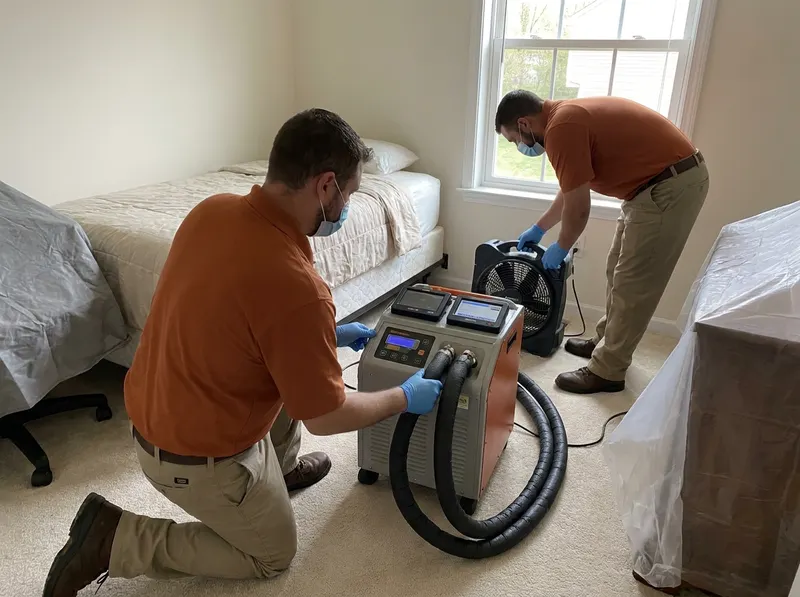
Bed bugs infest mattress seams, box springs, headboards, baseboards, and electrical wall outlets, disrupting sleep and spreading rapidly across residential rooms. Eradication combines high-temperature localized structural steam applications with dual-action insect growth regulators and non-repellent synthetic residual formulations. Steam penetrates deep into fabric seams, upholstery frames, and wood joints to instantly destroy live adults, nymphs, and unhatched eggs through thermal breakdown. Technicians follow with microscopic crack-and-crevice treatments in framing joints and install specialized bed bug interceptor cups beneath bed legs to verify eradication over follow-up diagnostic intervals, ensuring complete residential clearance without damaging household furniture.
View details →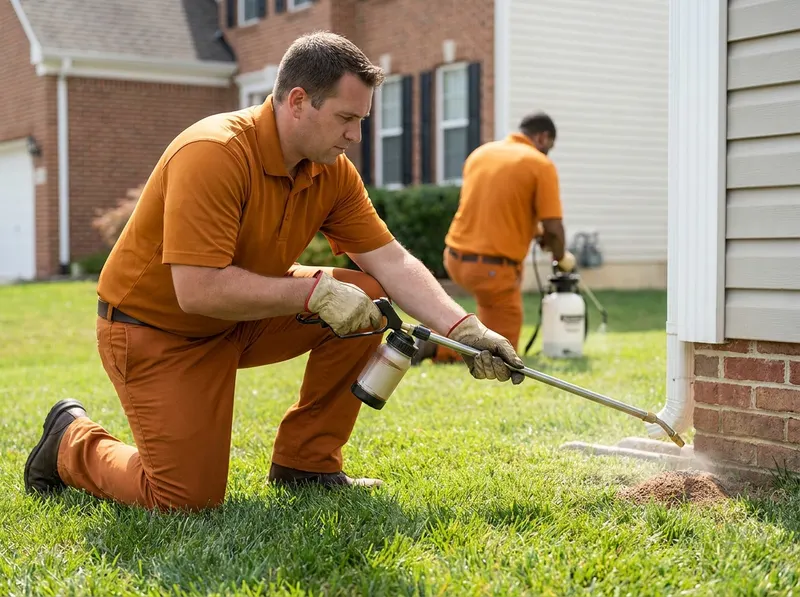
Carpenter ants, odorous house ants, and pavement ants establish invasive foraging trails through subflooring, wall voids, kitchen pantries, and window framing. Carpenter ants bore complex galleries directly into moisture-compromised structural wood, while sweet-feeding house ants spread contamination across food preparation counters. Eradication relies on targeted carbohydrate and protein transfer baits placed along active foraging paths. Worker ants consume the matrix and carry the slow-acting material directly back to the central queen and satellite colonies hidden inside wall framing. Technicians reinforce this interior eradication by applying a micro-encapsulated exterior foundation barrier, severing outdoor foraging trails extending from tree branches, mulch beds, and patio pavers.
View details →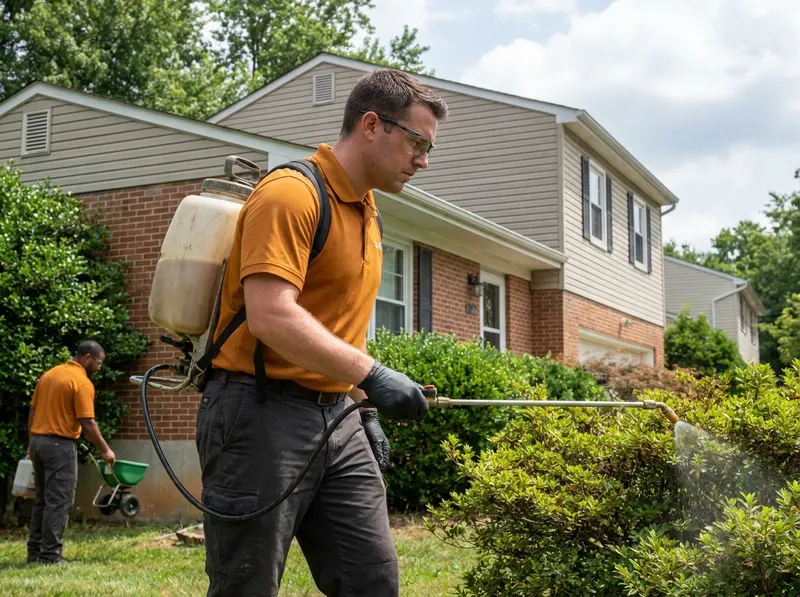
High humidity and dense deciduous foliage create ideal breeding environments for aggressive Asian tiger mosquitoes and pest species throughout the mid-Atlantic summer. Technicians apply micro-encapsulated botanical and synthetic barrier treatments to the underside of shade foliage, dense ornamental shrubs, ground covers, and damp structural overhangs where adult mosquitoes harbor during hot daylight hours. This creates an active residual zone that eliminates resting mosquitoes on contact, breaking the egg-laying reproduction cycle across your yard. Technicians also inspect property grounds for standing water collections, treating non-draining birdbaths, downspout extensions, and low-lying drainage depressions with biological larvicides to stop mosquito larvae from maturing into biting adults.
View details →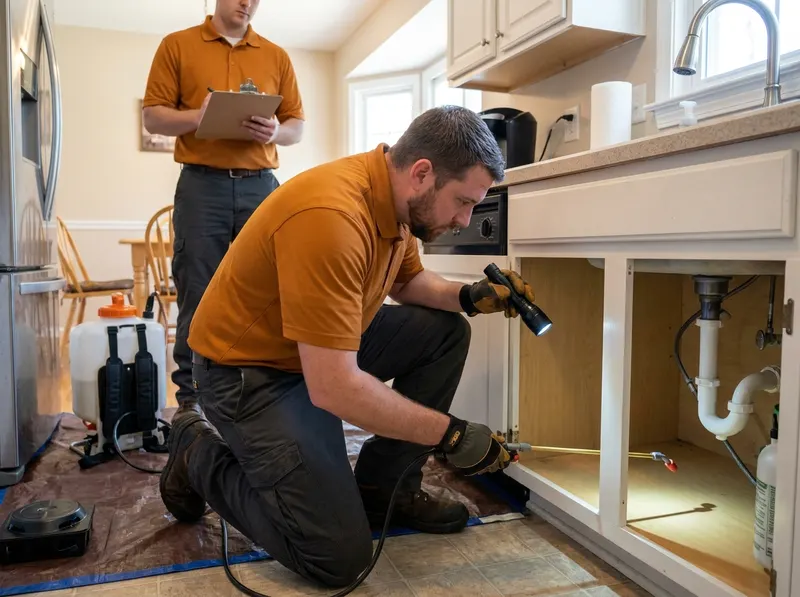
German cockroaches multiply rapidly in moisture-rich appliance motor housings, cabinet hinges, plumbing wall chases, and beneath kitchen sinks, spreading allergens and contaminating food surfaces. Technicians perform an intensive cleanout using high-potency non-volatile gel baits, biological insect growth regulators, and precision desiccating dusts injected into enclosed structural wall cavities. The growth regulators disrupt chitin synthesis and prevent nymphs from molting into breeding adults, while the bait matrix exploits natural communal feeding behaviors to eliminate concealed harborages. Technicians place discreet insect monitoring boards in dark perimeter zones to track population decline and confirm total colony collapse during mandatory follow-up evaluations.
View details →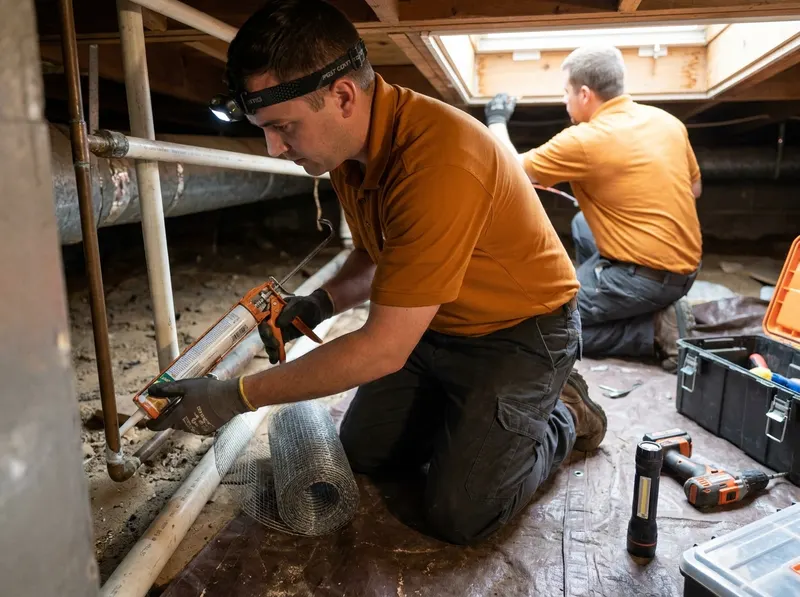
Unsealed attics and damp earthen crawl spaces serve as primary harborages and entry zones for overwintering pests, spiders, silverfish, camel crickets, and wood-destroying insects. Technicians inspect insulation integrity, seal perimeter rim joists, install heavy-gauge stainless steel mesh over crawl space foundation vents, and seal roofline ridge vents against bat and rodent intrusions. In unfinished voids, technicians apply long-lasting inorganic borate dusts and silica desiccants that provide permanent, non-degrading protection against crawling arthropods. This comprehensive structural fortification insulates the vulnerable mechanical core of your property, lowering interior moisture levels and eliminating the concealed nesting environments pests require for survival.
View details →Pest control service in Severn is a targeted environmental and structural management process that eliminates active insect and rodent colonies while securing residential entry points against future seasonal incursions.
You get a firm, itemized quote for your pest control service before any work begins — no surprises, no pressure.
Careful prep, tidy work, and a full cleanup when we are done. We treat your home and belongings like our own.
The same trusted, background-checked team from the first call to the final check.
Selecting the right pest management approach depends on pest biology, structural construction type, foundation depth, and the physical location of the property. If you want immediate knockdown of visible indoor insect activity such as pavement ants, odorous house ants, or German cockroaches, choose targeted localized baiting paired with exterior micro-barrier applications. This approach isolates active colonies quickly with minimal interior disruption, zero airborne chemical drift, and precise placement inside structural voids. If you want permanent prevention against mice or Norway rats entering finished basements, crawl spaces, and rooflines, choose physical structural exclusion. This method seals foundation voids, weep holes, plumbing penetrations, and soffit transitions with galvanized wire mesh, copper mesh, and elastomeric sealants rather than relying solely on consumable rodenticide baits. The trade-off is that structural exclusion requires higher initial installation labor and detailed architectural diagnostics, whereas chemical baiting costs less upfront but requires periodic physical replenishment to maintain active rodent suppression. If you want subterranean termite defense for properties built on sandy loam soils near wooded parcels, choose non-repellent liquid soil treatments applied via foundation trenching and sub-slab injection. This creates an undetectable, continuous termiticidal zone around the entire foundation footprint. The trade-off is the physical labor of exterior trenching and foundation drilling compared to slower-acting exterior bait stations, though liquid barriers provide immediate lethal transfer throughout foraging termite colonies. If you are handling seasonal exterior pests like Asian tiger mosquitoes and blacklegged ticks, choose targeted foliage barrier suppression over automated misting systems. Foliage applications place micro-encapsulated residuals on the undersides of leaves and dense brush where insects harbor, avoiding non-target pollinator exposure on flowering plants.
Every project gets a firm, written price after a free on-site visit. Ranges below for orientation.
Tell us about your pest control service job and we'll send a clear, written quote — usually the same day. Or just call and talk to a real Severn pro.
(227) 269-6948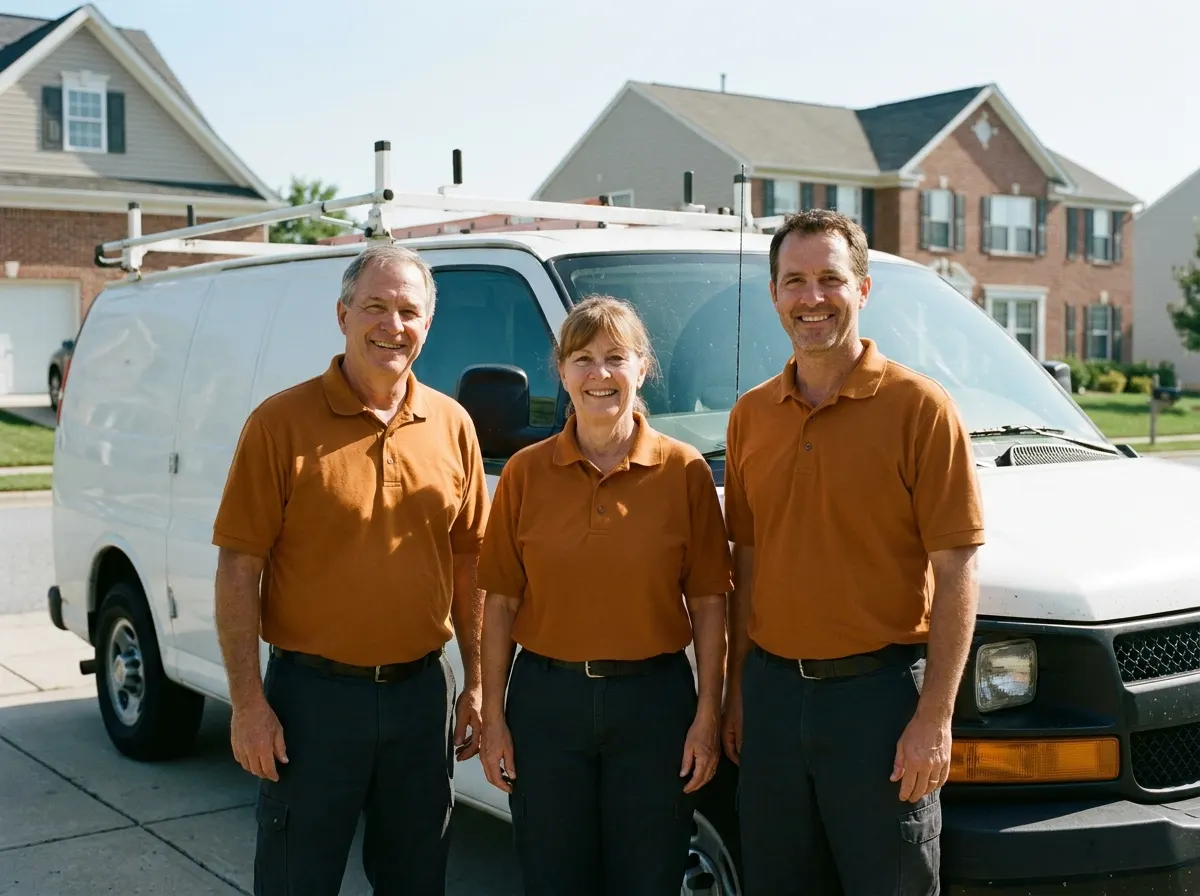
Properties throughout Severn experience distinct pest pressures driven by the local watershed, soil composition, and mature residential forestry. The sandy loam soil profiles and elevated water table adjacent to the Severn Run Natural Environment Area create an ideal subterranean habitat for Eastern subterranean termite colonies, which frequently migrate into structural sill plates through microscopic foundation hairline cracks. In established residential neighborhoods like Severn Woods, The Provinces, and Stillmeadows, dense deciduous tree canopies and mature oak cover foster elevated populations of carpenter ants, wood-boring beetles, and Asian tiger mosquitoes throughout the humid summer months. As temperatures plummet in late autumn, proximity to open recreational spaces such as Severn Danza Park, Provinces Park, and Queenstown Park drives field mice and Norway rats toward residential foundations, seeking harborage in warm crawl spaces, garage wall voids, and attics along major corridors like Quarterfield Road, Reece Road, and Telegraph Road. Local home construction styles across Pioneer City, Jacobs Forest, and Disney Estates—ranging from split-level foundations to slab-on-grade homes and crawl spaces—require customized structural exclusion techniques to permanently block localized rodent runs, soil-line pest migrations, and seasonal insect swarms.
Free estimates for Severn & the surrounding area.
 Valdren Pest Solutions